
Southaven Root Zone Calculation for TPZ Fencing Guide
Stateline Fence Rental provides precise Root Zone Calculation for TPZ Fencing to ensure local compliance across Southaven, MS. From Silo Square to Colonial Hills, we help contractors navigate arboricultural requirements near high-growth developments. Given our region's 21.8in annual precipitation, accurate TPZ fencing is vital to protecting tree health and avoiding municipal fines during construction projects near Tanger Outlets.
Protecting Urban Tree Infrastructure During Construction
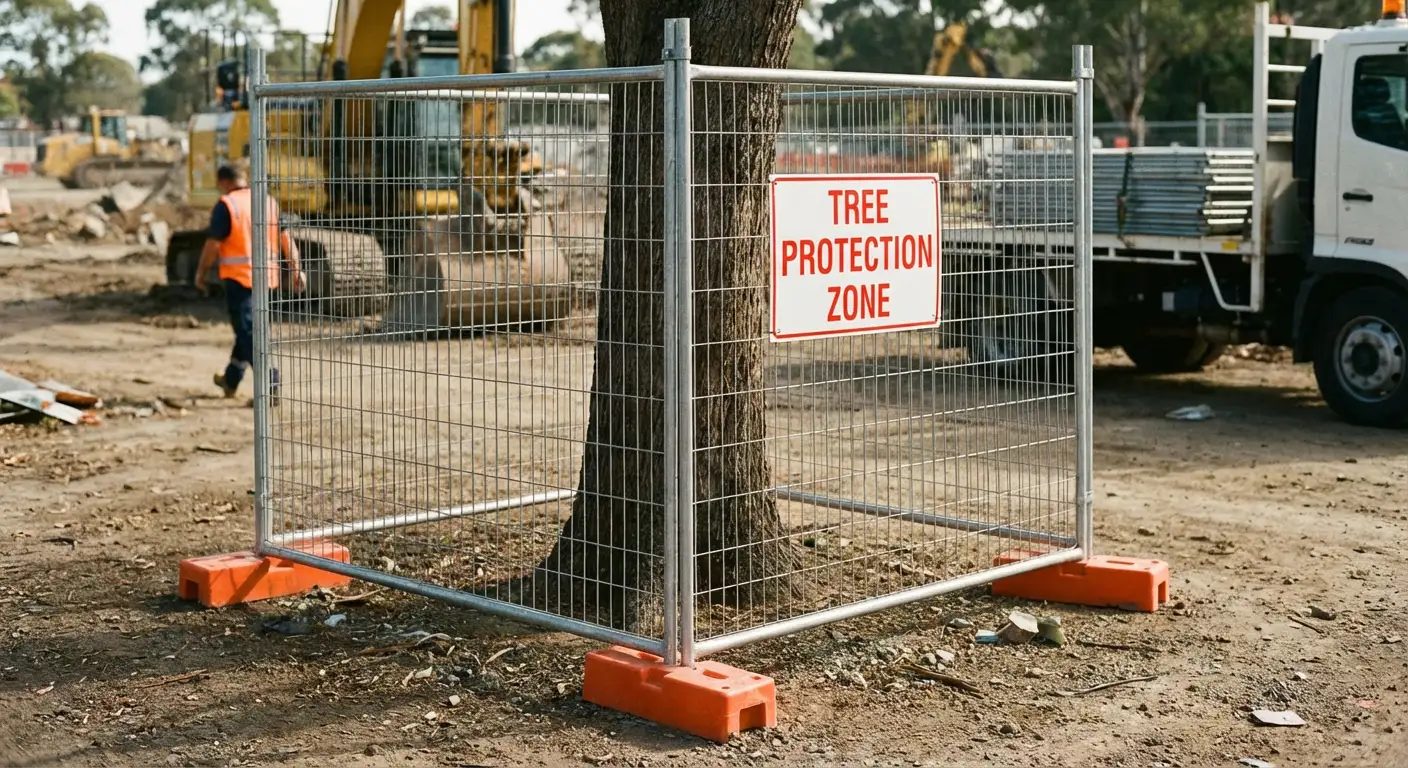
Our crew specializes in tree protection zone (TPZ) fencing across Southaven's developing neighborhoods like Silo Square and Colonial Hills. We understand that root zones represent critical ecological buffers that require precise, technical installation. When we set up tree protection zones, we're not just putting up barriers — we're creating scientifically designed protective environments that prevent soil compaction, root damage, and potential long-term tree health degradation.
Calculation Steps
- Identify precise tree root zone dimensions
- Mark critical root radius (CRR) boundaries
- Install protective fencing outside root protection area
- Verify no soil compaction within designated zone
- Document tree species and protection requirements
| Zone Parameter | Specification |
|---|---|
| Minimum Radius | 1x Tree Diameter |
| Fencing Type | Rigid Temporary Panels |
| Ground Interaction | Zero Soil Disturbance |
Root Zone Calculation for TPZ Fencing: Compliance Guide
Root Zone Calculation is a quantitative assessment method that establishes the mandatory protective radius around trees on construction sites. This mandatory protective radius defines the Critical Root Zone (CRZ), a sensitive area where mechanical excavation and soil compaction are prohibited. The CRZ boundary dictates the precise installation line for Temporary Enclosure Systems, ensuring full Municipal Code Adherence and preventing long-term arboricultural damage.
Key Terminology
- Tree Protection Zone (TPZ)
- The TPZ is the critical root area around a tree that must remain undisturbed to ensure tree health during construction, especially important in Southaven's Colonial Hills neighborhood with mature landscaping.
- Root Zone Calculation
- A method to determine the radius around tree trunks where fencing must be installed to avoid damaging roots, factoring in species, age, and local soil conditions as seen near Central Park.
- Temporary Protective Zone Fencing
- Fence installation around the TPZ to physically restrict access and prevent soil compaction or excavation that could harm tree roots, commonly applied in Southaven Towne Center developments.
- Soil Compaction
- Compression of soil particles reducing pore space, often caused by heavy equipment; a concern in post-2000 residential growth areas like The Metropolitan District affecting root oxygenation.
- Flood Zone Considerations
- In low flood zones such as Southaven, fencing setup must allow for water flow without root disturbance, influencing root zone protection fencing design and placement.
- OSHA Compliance
- Standards requiring safe fencing installation to protect workers and equipment around TPZs, relevant to Stateline Fence Rental's operations in Southaven.
In Simple Terms
Root zone calculation defines the radius around tree trunks requiring fencing to protect roots during construction. In Southaven neighborhoods like Colonial Hills and commercial areas like Southaven Towne Center, this calculation considers tree size, species, soil type, and local climate. Proper fencing installation prevents soil compaction and excavation damage, complying with regulations and preserving tree health amid ongoing development.
Root Zone Calculation for TPZ Fencing: Compliance Guide — Part 2
Instructions for calculating root zones for TPZ fencing in Southaven, MS, ensuring regulatory compliance and site suitability.
| Root Zone Depth | Calculate to at least 18 inches below the TPZ fencing posts |
|---|---|
| Soil Moisture Consideration | Account for Southaven's 21.8 inches annual precipitation in soil saturation levels |
| Flood Zone Impact | Adjust root zone based on low flood risk in the area |
| Post Type Compatibility | Use with post-2000 style fencing common in Southaven residential zones |
| Compliance Standards | Follow OSHA and EPA guidelines for soil disturbance and fencing installation |
| Installation Cost Range | $200-$600/week depending on project scope and root zone complexity |
| Signage Interval | Every 30 linear feet |
Root Zone Calculation for TPZ Fencing Compliance
Ensure OSHA and DEQ compliance with accurate root zone measurements.
Costly TPZ Fencing Mistakes We See Every Season
After installing miles of tree protection fencing across Southaven's clay soils, we've learned what makes temporary barriers fail - here's how to avoid common compliance traps.
Ignoring soil composition
Soft soils shift under load, causing fence instability during high winds common in Southaven's storm season
Test soil density with penetrometer before installing posts
Underestimating root spread
Damage to protected tree roots triggers fines under Southaven's urban forestry ordinances
Use air spade to map roots before digging post holes
Skipping guy wires
Tall fence sections topple onto construction equipment during thunderstorms
Install diagonal cables every 20ft for lateral support
Using standard post depth
Shallow posts lift out of ground when clay soils contract during droughts
Drive posts 6in deeper than code minimum in expansive soils
Neglecting drainage slope
Water pools against fence, accelerating rot and attracting termites in humid climate
Grade 1/4in per foot away from fence line
How We Calculate Root Protection Zones That Actually Work
After that 2007 derecho snapped trees like toothpicks, we learned real tree protection isn't about ticking boxes — it's understanding how roots actually grow in our Mississippi clay. We'll show you where heavy equipment ruts killed saplings last season, why certain barrier types fail in wet winters, and how to avoid those $10k fines we've seen from rushed jobs near Silo Square.
-
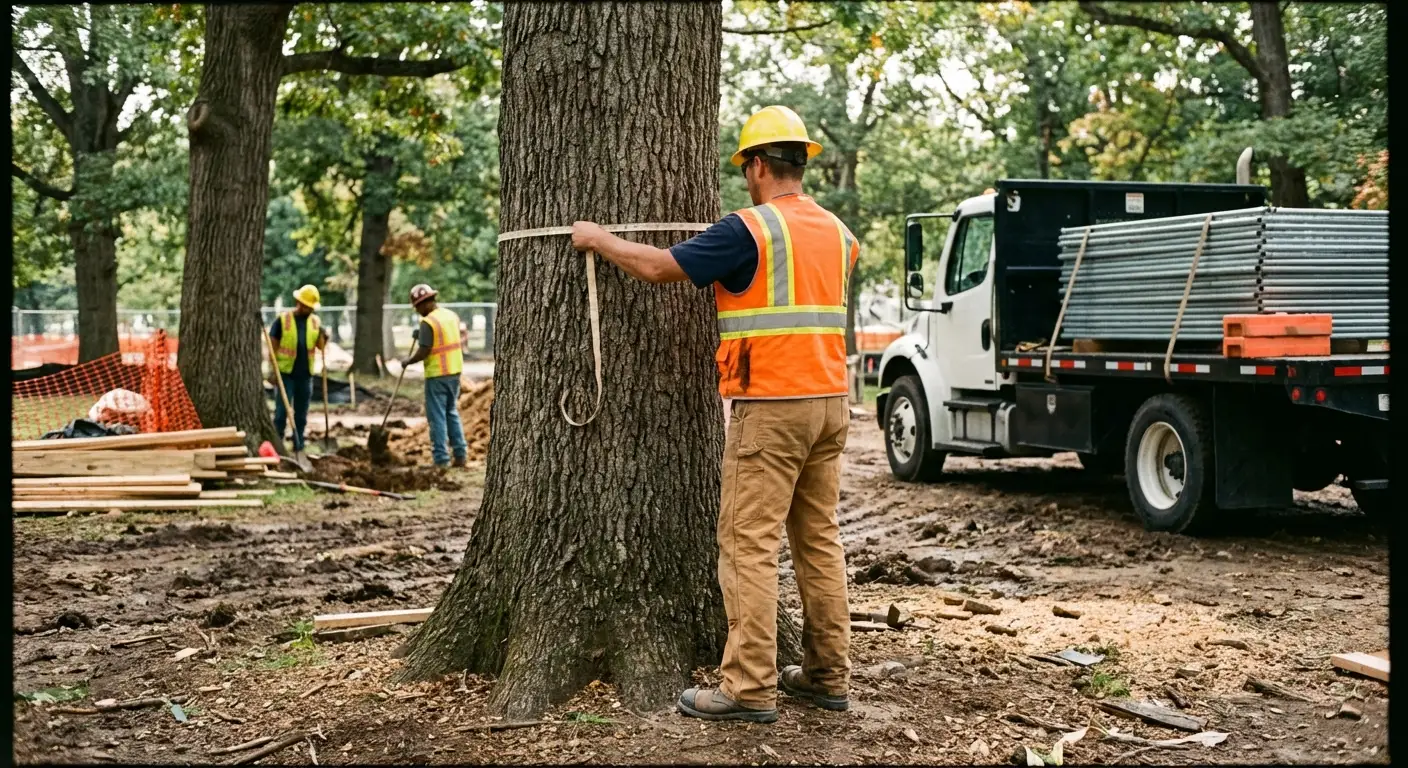
Measure from trunk to drip line
We start by measuring from the tree trunk to where water would drip off the outermost branches — that's your minimum protection zone.In PracticeA 24-inch oak needs at least a 12-foot radius fence.
-
Account for soil type
Sandy soils like we've got in Colonial Hills let roots spread wider — we'll often add 2-3 feet beyond standard calculations.In PracticeExtended TPZ fencing near Silo Square's new plantings.
-
Protect surface roots
We use zero-trip hazard bases when setting up near exposed roots — no digging or compaction.In PracticeInstalled last week at Southaven Towne Center's live oaks.
-
Adjust for construction phase
Heavy equipment staging areas get extra buffer — we'll consult your SWPPP plan to place fences strategically.In PracticeAdded 5ft zones around Malco Cinema parking lot redo.
Fences that protect trees — not just satisfy inspectors
Root Zone Calculation for TPZ Fencing: Compliance Guide — Part 3
This guide explains root zone calculations for TPZ fencing in Southaven, MS, focusing on local compliance requirements and conditions.
What defines the root zone for TPZ fencing in Southaven?
The root zone is the soil area supporting tree roots, measured typically as the drip line around the tree canopy in neighborhoods like Brookhaven.
Why is accurate root zone calculation critical near Snowden Grove Park?
Snowden Grove Park's natural environment requires precise calculations to avoid tree damage and comply with Southaven's environmental guidelines.
How does Southaven's climate impact root zone fencing requirements?
With 21.8 inches of annual precipitation and low flood risk, soil moisture affects root stability; fencing must accommodate these conditions in areas like Colonial Hills.
Are there specific regulations for TPZ fencing in flood zones around Silo Square?
Silo Square's low flood zone status reduces additional fencing constraints, but compliance with DEQ erosion control standards is still mandatory.
What are common errors when calculating root zones for TPZ fencing in Southaven's post-2000 homes?
A frequent issue is underestimating root spread in larger lots typical of newer homes west of Highway 51, causing inadequate fencing protection.
How does Stateline Fence Rental ensure compliance with root zone fencing standards?
Stateline Fence Rental uses on-site measurements and local growth data from Southaven neighborhoods to align fencing with OSHA and EPA tree protection requirements.
Request Root Zone Compliance Calculations for Southaven Projects
Obtain precise Tree Protection Zone measurements to maintain site compliance and protect local vegetation during Southaven construction operations.
Serving professional construction crews throughout Southaven and DeSoto County.